


Hey there! As a supplier of Iron Pipe Bending Machines, I often get asked about the bending capacity of these machines in terms of tonnage. So, I thought I'd take a deep dive into this topic and share some insights with you.
First off, let's talk about what tonnage means in the context of an iron pipe bending machine. Tonnage is a measure of the force that the machine can exert to bend the pipe. It's a crucial factor because it determines the size and thickness of the pipes that the machine can handle. The higher the tonnage, the larger and thicker the pipes the machine can bend.
Now, the bending capacity of an iron pipe bending machine isn't just about the tonnage. There are other factors at play too, like the type of pipe (whether it's mild steel, stainless steel, or something else), the diameter of the pipe, and the bend radius you're aiming for. For example, a machine with a high tonnage might be able to bend a large - diameter, thick - walled pipe, but if you want a very tight bend radius, it could still be a challenge.
Let's break down how tonnage affects different aspects of pipe bending.
Impact on Pipe Diameter
A machine with a low tonnage, say around 5 - 10 tons, is usually suitable for small - diameter pipes. These are often used in things like handrails, furniture frames, or small - scale plumbing projects. For instance, if you're working on a DIY handrail project using pipes with a diameter of 1 - 2 inches, a lower - tonnage machine will do the job just fine.
On the other hand, if you're dealing with large - diameter pipes, like those used in industrial applications such as oil and gas pipelines or large - scale construction projects, you'll need a machine with a much higher tonnage. Machines with 50 tons or more can handle pipes with diameters of 6 inches or larger.
Influence on Pipe Wall Thickness
Thicker - walled pipes require more force to bend. A machine with a low tonnage might struggle to bend a thick - walled pipe, even if the diameter is relatively small. For example, a 2 - inch diameter pipe with a thick wall might need more tonnage than a 4 - inch diameter pipe with a thin wall. So, when you're choosing a machine based on tonnage, you've got to consider the wall thickness of the pipes you'll be working with.
Bend Radius Considerations
The bend radius also plays a big role. A larger bend radius generally requires less force compared to a smaller one. If you're looking to make gentle curves in your pipes, a machine with a lower tonnage might be sufficient. But if you need to create sharp bends, you'll likely need a machine with a higher tonnage. For example, in the automotive industry, when bending Automotive Exhaust Pipe Bender for a custom exhaust system, they often need tight bends, so a machine with enough tonnage to handle that is essential.
Types of Iron Pipe Bending Machines and Their Tonnage
There are different types of iron pipe bending machines, and each has a typical range of tonnage.
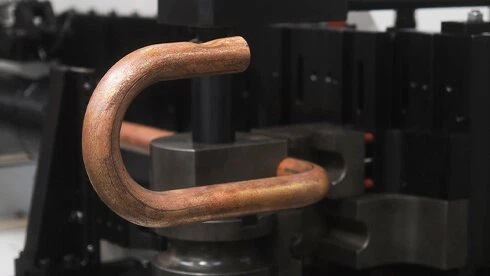

Manual Pipe Benders
These are the most basic type of pipe benders. They usually have a very low tonnage, often less than 5 tons. They're great for small - scale, light - duty projects where you don't need to bend large or thick pipes. They're also relatively inexpensive and easy to use, making them a popular choice for DIYers and small workshops.
Hydraulic Pipe Benders
Hydraulic pipe benders are much more powerful. They can have tonnages ranging from 10 tons all the way up to several hundred tons. These machines are commonly used in industrial settings, construction sites, and large - scale manufacturing facilities. For example, a Boiler Tube Bending Machine used in power plants or industrial boilers often requires a high - tonnage hydraulic bender to handle the thick - walled tubes.
Electric Pipe Benders
Electric pipe benders fall somewhere in between manual and hydraulic in terms of power. Their tonnage typically ranges from 5 - 20 tons. They're useful for medium - sized projects where you need a bit more power than a manual bender can provide but don't require the extreme force of a hydraulic machine.
How to Choose the Right Tonnage for Your Needs
When you're in the market for an iron pipe bending machine, here are some steps to help you choose the right tonnage:
- Determine Your Pipe Specifications: Figure out the diameter and wall thickness of the pipes you'll be working with. Also, consider the bend radius you need. Make a list of the most common pipe sizes and bend requirements for your projects.
- Consider Your Project Volume: If you're doing a one - off project, you might be able to get away with a lower - tonnage machine. But if you're running a business and need to bend pipes on a regular basis, it's worth investing in a machine with a higher tonnage to ensure efficiency and durability.
- Budget Constraints: Higher - tonnage machines are generally more expensive. You need to balance your budget with your requirements. Sometimes, it might be possible to find a used machine with the right tonnage at a more affordable price.
As a supplier, I've seen firsthand how important it is to choose the right machine. We offer a wide range of iron pipe bending machines with different tonnages to suit various needs. Whether you're a small - scale DIYer or a large - scale industrial manufacturer, we've got a solution for you.
If you're looking for a Hydraulic Exhaust Pipe Bender for your automotive workshop or a high - tonnage machine for an industrial project, we can help. Our machines are built to last, with high - quality components and reliable performance.
So, if you're interested in learning more about our iron pipe bending machines or need help choosing the right tonnage for your project, don't hesitate to reach out. We're here to assist you in making the best decision for your business.
References
- "Pipe Bending Handbook" by Pipe Bending Experts
- Industry standards and publications related to pipe bending technology