


In the realm of metal fabrication, tube bending is a critical process with wide - ranging applications across industries such as automotive, aerospace, construction, and furniture manufacturing. There are two primary approaches to tube bending: custom tube bending and standard tube bending. As a custom tube bending supplier, I am well - versed in the nuances between these two methods, and I'm excited to share this knowledge with you.
Understanding Standard Tube Bending
Standard tube bending is a common and widely - used process in the metalworking industry. It involves bending tubes into pre - defined shapes and angles that are commonly requested. These standard bends are often based on industry norms and typical design requirements. For example, in the construction of handrails, standard 90 - degree and 45 - degree bends are frequently used.
One of the key advantages of standard tube bending is its cost - effectiveness. Since the tooling and processes are standardized, there is less setup time and lower production costs. Manufacturers can produce a large number of standard - bent tubes quickly, which is ideal for mass - production projects. For instance, in the automotive industry, where thousands of identical exhaust pipes need to be produced, standard tube bending can meet the high - volume demand efficiently.
Another benefit is the predictability of the final product. With standard bends, the dimensions and tolerances are well - established. This means that the end - user can have a high level of confidence in the fit and performance of the bent tubes. For example, when a furniture manufacturer orders standard - bent tubes for a chair frame, they know exactly what to expect in terms of the tube's shape and size.
However, standard tube bending also has its limitations. The range of available shapes and angles is restricted to the pre - defined standards. If a project requires a unique or complex bend, standard tube bending may not be suitable. For example, in the design of a modern, avant - garde architectural structure, the tubes may need to be bent into irregular curves and non - standard angles that are beyond the capabilities of standard tube bending.
The World of Custom Tube Bending
Custom tube bending, on the other hand, offers a high degree of flexibility and creativity. As a custom tube bending supplier, I work closely with clients to understand their specific design requirements and then create tubes that are precisely tailored to their needs. Whether it's a one - of - a - kind prototype or a small - batch production run, custom tube bending can bring unique designs to life.
One of the main advantages of custom tube bending is the ability to handle complex geometries. We can create tubes with compound bends, variable radii, and non - standard angles. For example, in the aerospace industry, where components need to fit into tight spaces and follow complex aerodynamic profiles, custom tube bending is essential. The ability to produce tubes with intricate shapes ensures that the final product meets the strict performance requirements of the aerospace application.
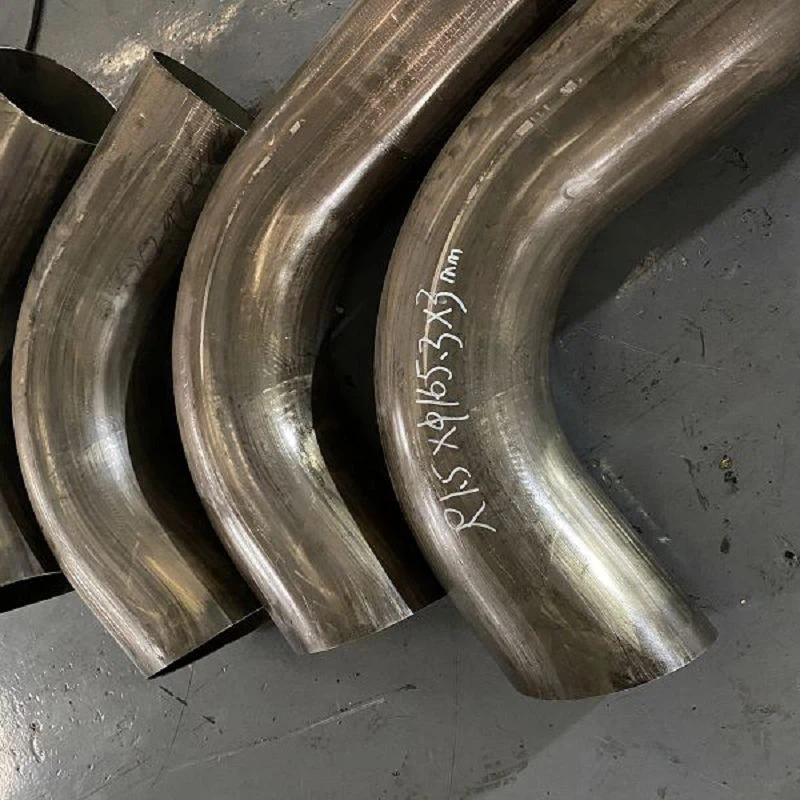

Custom tube bending also allows for the use of a wide variety of materials. In addition to common metals like carbon steel and aluminum, we can work with specialty materials such as stainless steel, titanium, and copper. This is particularly important in industries where corrosion resistance, high strength, or other specific material properties are required. For example, in the food and beverage industry, stainless steel tubes are often used due to their hygienic properties, and custom tube bending can create the necessary shapes for processing equipment.
Another significant benefit is the level of customization and personalization. We can work with clients at every stage of the design process, from concept development to final production. This collaborative approach ensures that the end - product not only meets but exceeds the client's expectations. For example, a designer may have a vision for a unique lighting fixture that requires tubes with a specific finish and bend pattern. Through custom tube bending, we can turn that vision into a reality.
However, custom tube bending also comes with some challenges. The setup time and cost are generally higher compared to standard tube bending. Since each project is unique, new tooling may need to be designed and fabricated, which adds to the overall cost. Additionally, the production process may take longer, especially for complex designs.
Comparing the Two: A Side - by - Side Analysis
Let's take a more detailed look at how custom tube bending and standard tube bending compare in different aspects:
Design Flexibility
- Standard Tube Bending: Limited to pre - defined shapes and angles. Ideal for projects with common design requirements.
- Custom Tube Bending: Offers almost unlimited design possibilities. Can accommodate complex geometries and unique design concepts.
Cost
- Standard Tube Bending: Lower setup costs and production costs, especially for high - volume orders.
- Custom Tube Bending: Higher setup costs due to the need for custom tooling, but the cost per unit can be reasonable for small - to - medium - sized production runs.
Production Time
- Standard Tube Bending: Shorter production time, as the processes are streamlined and well - established.
- Custom Tube Bending: Longer production time, especially for complex designs that require multiple setups and precision machining.
Material Selection
- Standard Tube Bending: Usually limited to common materials.
- Custom Tube Bending: Can work with a wide range of materials, including specialty metals.
Our Services as a Custom Tube Bending Supplier
As a custom tube bending supplier, we offer a comprehensive range of services to meet our clients' needs. Our Full - service Tube Bending includes everything from design assistance to final production. We have a team of experienced engineers and technicians who can help clients optimize their designs for the tube bending process.
We also provide a dedicated Pipe Bending Service that is tailored to the specific requirements of each project. Whether it's a small - diameter tube for a medical device or a large - diameter pipe for an industrial application, we have the expertise and equipment to handle it.
In addition, our Tube Bending Metal Stainless Steel service is popular among clients in industries where corrosion resistance is crucial. We can produce high - quality stainless steel tubes with precise bends and finishes.
Conclusion
In summary, both custom tube bending and standard tube bending have their own unique advantages and applications. Standard tube bending is a cost - effective and efficient solution for mass - production projects with common design requirements. On the other hand, custom tube bending offers unparalleled flexibility and the ability to create unique, complex designs.
If you are working on a project that requires tubes with non - standard shapes, complex geometries, or specialty materials, custom tube bending is the way to go. As a custom tube bending supplier, we are committed to providing our clients with the highest quality products and services. We invite you to contact us to discuss your tube bending needs and explore how we can help you bring your project to life. Whether it's a small - scale prototype or a large - scale production run, we have the expertise and resources to meet your requirements.
References
- ASM Handbook, Volume 6: Welding, Brazing, and Soldering. ASM International.
- Metal Forming Handbook: Processes and Applications. Carl Hanser Verlag.
- Tube and Pipe Bending Handbook. Gulf Publishing Company.