


Pipe bending is a common process in various industries, including construction, automotive, and manufacturing. When using a heavy-duty pipe bender, preventing pipe deformation is crucial to ensure the quality and functionality of the bent pipes. As a trusted heavy-duty pipe bender supplier, we understand the challenges that come with pipe bending and are here to share some effective strategies to prevent pipe deformation during the bending process.
Understanding the Causes of Pipe Deformation
Before delving into prevention methods, it's essential to understand the factors that can lead to pipe deformation during bending. These factors include:
- Material Properties: Different materials have varying degrees of ductility and hardness. For example, softer materials like copper and aluminum are more prone to deformation than harder materials like steel.
- Pipe Wall Thickness: Thinner-walled pipes are more likely to deform during bending compared to thicker-walled pipes. The ratio of the pipe's outer diameter to its wall thickness, known as the D/t ratio, also plays a significant role in determining the likelihood of deformation.
- Bending Radius: A smaller bending radius requires more force to bend the pipe, increasing the risk of deformation. Conversely, a larger bending radius exerts less stress on the pipe, reducing the likelihood of deformation.
- Bending Method: The method used to bend the pipe can also affect its deformation. For instance, cold bending, which is performed at room temperature, can cause more deformation than hot bending, which involves heating the pipe before bending.
Selecting the Right Pipe Bender
Choosing the appropriate heavy-duty pipe bender is the first step in preventing pipe deformation. Our company offers a wide range of pipe benders, including Hvac Pipe Bender, Square Pipe Bender Machine, and Exhaust Bending Machine, each designed to meet specific bending requirements.
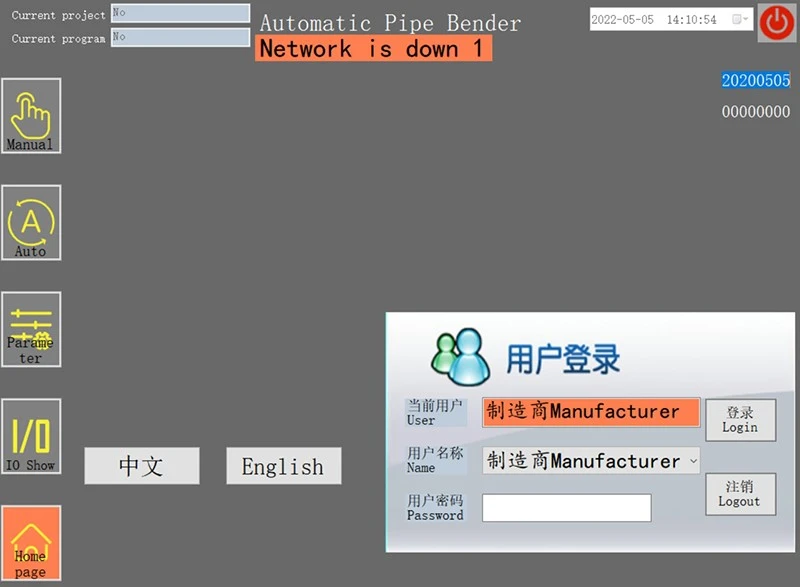

- Capacity: Ensure that the pipe bender has the capacity to handle the size and material of the pipes you intend to bend. Using a pipe bender with insufficient capacity can lead to excessive force being applied to the pipe, resulting in deformation.
- Accuracy: Look for a pipe bender that offers high accuracy and precision. A well-calibrated pipe bender will ensure consistent bending results, reducing the risk of deformation.
- Flexibility: Consider a pipe bender that offers multiple bending options, such as different bending radii and angles. This flexibility allows you to adapt to various bending requirements without compromising the integrity of the pipe.
Preparing the Pipe for Bending
Proper preparation of the pipe before bending can significantly reduce the risk of deformation. Here are some essential steps to follow:
- Inspect the Pipe: Thoroughly examine the pipe for any defects, such as cracks, dents, or scratches. These imperfections can weaken the pipe and increase the likelihood of deformation during bending.
- Clean the Pipe: Remove any dirt, debris, or rust from the pipe surface. A clean pipe surface ensures smooth contact with the bending dies, reducing friction and preventing deformation.
- Mark the Bending Point: Use a marker or scribe to mark the exact location where you want to bend the pipe. This helps ensure accurate bending and reduces the risk of over-bending or under-bending.
- Support the Pipe: Provide adequate support to the pipe during bending to prevent it from sagging or buckling. Use pipe supports or clamps to secure the pipe in place and maintain its alignment.
Using the Correct Bending Techniques
Employing the right bending techniques is crucial to prevent pipe deformation. Here are some tips to keep in mind:
- Apply Gradual Force: When bending the pipe, apply force gradually and steadily. Avoid sudden or excessive force, as this can cause the pipe to deform.
- Use the Right Dies: Select the appropriate bending dies for the pipe size and bending radius. Using incorrect dies can result in uneven bending and deformation.
- Control the Bending Speed: Maintain a consistent bending speed throughout the process. A slow and steady bending speed allows the pipe to deform gradually, reducing the risk of cracking or wrinkling.
- Avoid Over-Bending: Do not bend the pipe beyond its recommended bending radius or angle. Over-bending can cause the pipe to collapse or develop cracks, compromising its integrity.
Post-Bending Inspection and Treatment
After bending the pipe, it's important to inspect it for any signs of deformation. Here's what you should do:
- Visual Inspection: Examine the bent pipe for any visible signs of deformation, such as wrinkles, cracks, or ovality. If you notice any defects, take appropriate measures to correct them.
- Measure the Bending Angle and Radius: Use a protractor or radius gauge to measure the bending angle and radius of the pipe. Ensure that the measurements are within the specified tolerances.
- Stress Relief: If necessary, perform stress relief treatment on the bent pipe to reduce internal stresses and prevent further deformation. This can be done by heating the pipe to a specific temperature and then allowing it to cool slowly.
Conclusion
Preventing pipe deformation during bending with a heavy-duty pipe bender requires careful planning, proper equipment selection, and the use of correct bending techniques. By following the strategies outlined in this blog, you can ensure that your bent pipes maintain their integrity and meet the required quality standards.
As a leading heavy-duty pipe bender supplier, we are committed to providing our customers with high-quality pipe bending solutions. If you have any questions or need assistance with your pipe bending needs, please feel free to contact us. We look forward to working with you to achieve your bending goals.
References
- ASME B31.3 Process Piping Code
- ASTM Standards for Pipe Materials
- Pipe Bending Handbook by John Doe