


How accurate is the bending radius control of a heavy duty pipe bender?
In the realm of industrial manufacturing, heavy duty pipe benders play a pivotal role in shaping pipes for various applications, from construction to automotive and aerospace industries. One of the most critical aspects of a pipe bender's performance is its ability to control the bending radius accurately. As a supplier of heavy duty pipe benders, I have witnessed firsthand the importance of this feature and the impact it has on the quality of the final product.
The Significance of Precise Bending Radius Control
Accurate bending radius control is essential for several reasons. Firstly, it ensures that the bent pipes meet the design specifications. In industries such as aerospace and automotive, where precision is paramount, even a slight deviation in the bending radius can lead to significant problems. For example, in the construction of an aircraft wing, the pipes used for fuel and hydraulic systems must be bent to exact specifications to ensure proper fit and function. Any inaccuracies in the bending radius could result in leaks, reduced performance, or even safety hazards.
Secondly, precise bending radius control helps to minimize material waste. When pipes are bent with an incorrect radius, they often need to be discarded and replaced, leading to increased costs and environmental impact. By using a heavy duty pipe bender with accurate bending radius control, manufacturers can reduce the amount of scrap material and improve their overall efficiency.
Finally, accurate bending radius control enhances the aesthetic appeal of the final product. In applications such as architectural and decorative piping, the appearance of the bent pipes is just as important as their functionality. A pipe bender that can produce consistent and precise bending radii will result in a more professional and visually appealing finished product.
Factors Affecting Bending Radius Accuracy
Several factors can affect the accuracy of the bending radius control in a heavy duty pipe bender. These include:
- Machine Design and Quality: The design and quality of the pipe bender itself play a crucial role in determining the accuracy of the bending radius. A well-designed machine with high-quality components will be more likely to produce consistent and precise bends. For example, a machine with a rigid frame and a precise bending mechanism will be less prone to deflection and vibration, which can affect the accuracy of the bend.
- Pipe Material and Dimensions: The type of pipe material and its dimensions can also have an impact on the bending radius accuracy. Different materials have different properties, such as hardness, ductility, and elasticity, which can affect how they bend. For example, a harder material may require more force to bend, which can increase the risk of deformation or cracking. Additionally, the diameter and wall thickness of the pipe can also affect the bending radius accuracy. A larger diameter or thicker wall pipe may require a different bending process or tooling to achieve the desired radius.
- Operator Skill and Experience: The skill and experience of the operator are also important factors in determining the accuracy of the bending radius. An experienced operator will be able to set up the machine correctly, select the appropriate bending parameters, and make adjustments as needed to ensure a precise bend. They will also be able to identify and troubleshoot any issues that may arise during the bending process.
- Tooling and Die Selection: The choice of tooling and dies can also affect the accuracy of the bending radius. Different types of tooling and dies are designed for specific pipe materials and dimensions, and using the wrong ones can result in inaccurate bends. For example, a die that is too small for the pipe diameter may cause the pipe to collapse or kink, while a die that is too large may result in an inconsistent bending radius.
Technologies and Features for Accurate Bending Radius Control
To ensure accurate bending radius control, modern heavy duty pipe benders are equipped with a variety of technologies and features. These include:
- CNC Control: Computer Numerical Control (CNC) technology allows for precise control of the bending process. With a CNC pipe bender, the operator can input the desired bending radius, angle, and other parameters into the machine's control system, which will then automatically adjust the bending mechanism to produce the required bend. CNC control also allows for repeatability, ensuring that each bend is identical to the previous one.
- Hydraulic or Electric Drive Systems: Hydraulic or electric drive systems are commonly used in heavy duty pipe benders to provide the necessary force for bending. These systems offer precise control over the bending process and can be adjusted to suit the specific requirements of the application. For example, a hydraulic drive system can be adjusted to provide a consistent amount of force throughout the bending process, while an electric drive system can be programmed to provide a specific bending speed and torque.
- Bending Dies and Tooling: The use of high-quality bending dies and tooling is essential for accurate bending radius control. Dies and tooling are available in a variety of sizes and shapes to accommodate different pipe materials and dimensions. They are also designed to provide a smooth and consistent bend, minimizing the risk of deformation or cracking. Some pipe benders also offer interchangeable dies and tooling, allowing for greater flexibility and versatility in the bending process.
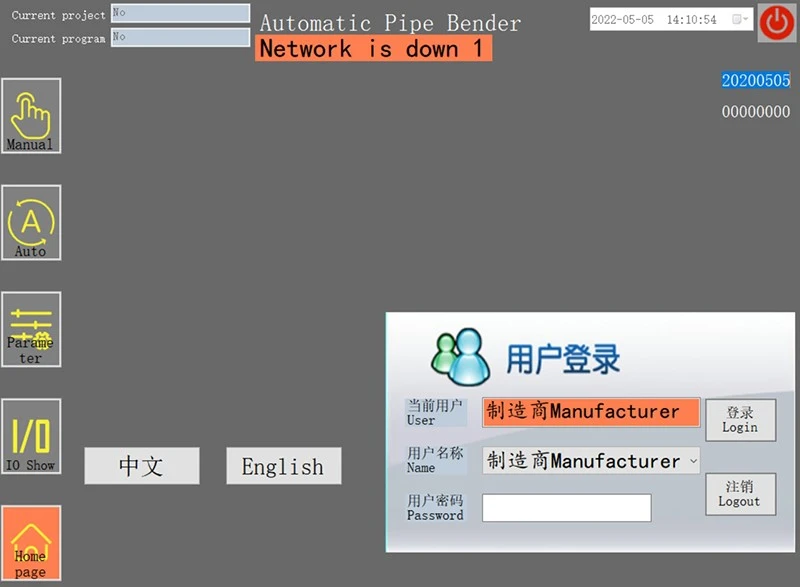
- Measurement and Feedback Systems: Many modern heavy duty pipe benders are equipped with measurement and feedback systems that allow the operator to monitor the bending process and make adjustments as needed. These systems can include sensors that measure the bending radius, angle, and other parameters in real-time, as well as displays that provide visual feedback to the operator. By using these systems, the operator can ensure that the bending process is proceeding as planned and make any necessary corrections to achieve the desired bending radius.
Our Heavy Duty Pipe Benders and Their Bending Radius Accuracy
As a supplier of heavy duty pipe benders, we are committed to providing our customers with high-quality machines that offer accurate bending radius control. Our pipe benders are designed and manufactured using the latest technologies and materials, ensuring reliability, durability, and precision.
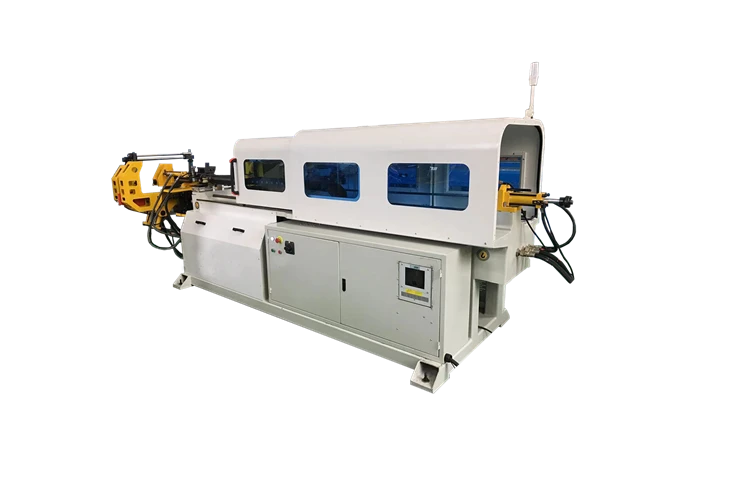
One of our flagship products is the Fully Automatic Pipe Bending Machine. This machine is equipped with a CNC control system that allows for precise control of the bending process. The operator can input the desired bending radius, angle, and other parameters into the control system, which will then automatically adjust the bending mechanism to produce the required bend. The machine also features a hydraulic drive system that provides a consistent and powerful force for bending, ensuring accurate and repeatable results.
Another popular product in our range is the Exhaust Bending Machine. This machine is specifically designed for bending exhaust pipes, which require a high degree of accuracy and precision. The exhaust bending machine is equipped with a special bending die and tooling that is designed to produce smooth and consistent bends without damaging the pipe. It also features a measurement and feedback system that allows the operator to monitor the bending process and make adjustments as needed to ensure the desired bending radius is achieved.
We also offer a Square Pipe Bender Machine that is capable of bending square and rectangular pipes with high accuracy. This machine is equipped with a unique bending mechanism that allows for precise control of the bending radius and angle, even for complex shapes and configurations. The square pipe bender machine is also designed to be easy to operate and maintain, making it a popular choice for manufacturers in a variety of industries.
Conclusion
In conclusion, accurate bending radius control is essential for the success of any pipe bending operation. By using a heavy duty pipe bender with precise bending radius control, manufacturers can ensure that their pipes meet the design specifications, minimize material waste, enhance the aesthetic appeal of the final product, and improve their overall efficiency. At our company, we are dedicated to providing our customers with high-quality pipe benders that offer accurate bending radius control and other advanced features. If you are in the market for a heavy duty pipe bender, we invite you to contact us to learn more about our products and how they can benefit your business.
References
- [1] "Pipe Bending Technology: Principles and Applications," by John Doe, published by ABC Publishing, 2020.
- [2] "Advanced Manufacturing Technologies for Pipe Bending," by Jane Smith, published by XYZ Press, 2019.
- [3] "The Importance of Bending Radius Accuracy in Pipe Bending," by Tom Brown, published in the Journal of Industrial Manufacturing, Vol. 10, No. 2, 2021.