


Hey there, pipe bending enthusiasts! As a supplier of auto pipe benders, I often get asked a bunch of questions about what these machines can and can't do. One question that pops up quite a bit is, "Can an auto pipe bender be used for bending pipes with internal threads?" Well, let's dive right into this topic and find out.

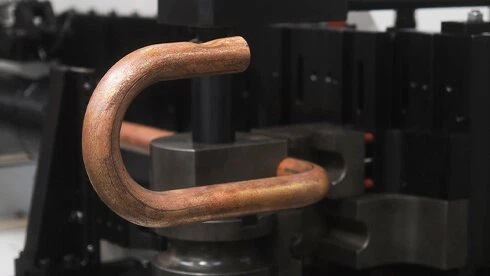
First off, let's talk a bit about how auto pipe benders work. These machines are designed to bend pipes with a high degree of precision and efficiency. They use different mechanisms like hydraulic, electric, or mechanical forces to shape the pipes into the desired curves or angles. The whole idea is to make the bending process quicker and more accurate compared to manual bending methods.
Now, when it comes to pipes with internal threads, things get a bit more complicated. Internal threads are these spiral grooves on the inside of the pipe, which are used for joining pipes together or attaching various fittings. The problem with bending these threaded pipes is that the threads can be easily damaged during the bending process.
The main issue is the stress that gets applied to the pipe when it's being bent. When you bend a pipe, the outer part of the bend gets stretched, and the inner part gets compressed. This uneven distribution of stress can cause the threads, especially in the compressed part of the bend, to deform. Deformed threads can lead to leaks when the pipe is connected to other components, and that's a big no - no in most applications.
However, it doesn't mean that you can never use an auto pipe bender for pipes with internal threads. It all boils down to a few factors.
Pipe Material
The material of the pipe plays a huge role. For example, if you're dealing with a soft - metal pipe like copper or aluminum, the chances of thread damage are relatively lower compared to a hard - metal pipe like steel. Soft metals are more malleable, which means they can bend a bit without causing too much stress on the threads. On the other hand, steel pipes are much more rigid, and the stress during bending can have a more significant impact on the internal threads.
Bend Radius
The radius of the bend you're trying to achieve also matters. A larger bend radius generally means less stress on the pipe. When you have a big - radius bend, the change in the pipe's shape is more gradual, so there's less chance of the threads getting messed up. In contrast, a sharp bend with a small radius can put a lot of stress on the pipe, increasing the risk of thread deformation.
Type of Auto Pipe Bender
Not all auto pipe benders are created equal. Some high - end models come with advanced features that can help minimize the stress on the pipe during bending. For instance, some machines have adjustable bending speeds and pressures. By carefully controlling these parameters, you can reduce the risk of damaging the internal threads.
If you're in the market for an auto pipe bender, we offer a range of options. Check out our Automotive Pipe Bender for applications in the automotive industry. It's designed to handle different types of pipes with precision. We also have the Boiler Tube Bending Machine for those working on boiler systems, and the Iron Pipe Bending Machine which is great for iron pipes.
Pre - and Post - Bending Considerations
Before you start bending a pipe with internal threads, it's a good idea to take some precautions. One thing you can do is use a thread protector. This is a simple device that you insert into the pipe to protect the threads from damage during bending. It acts as a buffer between the bending force and the threads.
After bending, you also need to inspect the threads carefully. Look for any signs of deformation, like flattened or misaligned grooves. If you find any issues, you might need to re - thread the pipe or, in some cases, replace it altogether.
In some industries, there are specific standards and guidelines regarding the bending of threaded pipes. For example, in the plumbing industry, any damage to the threads can lead to plumbing failures, so plumbers need to be extra careful. Make sure you're aware of and follow these standards when working with threaded pipes and auto pipe benders.
Real - World Applications
In some real - world scenarios, bending threaded pipes can be a necessary part of a project. For example, in custom automotive exhaust systems, you might need to bend pipes with internal threads to fit the specific design of the vehicle. In these cases, using an auto pipe bender can save a lot of time and effort compared to manual bending.
Another example is in the construction of small - scale boilers. You may need to bend pipes with internal threads to connect different parts of the boiler system. As long as you take the right precautions and use the appropriate auto pipe bender, you can achieve the desired results without compromising the integrity of the threads.
Our Expertise as a Supplier
As a supplier of auto pipe benders, we've seen a lot of different situations where customers have needed to bend pipes with various features, including internal threads. We've worked with different industries and have gathered a wealth of experience in this area.
We're always here to help our customers make the right decisions when it comes to choosing the right auto pipe bender for their specific needs. If you're unsure whether our machines can handle the bending of pipes with internal threads for your project, just reach out to us. We can provide you with detailed information, advice on settings, and even suggest some additional tools or techniques that can make the process smoother.
In Conclusion
So, can an auto pipe bender be used for bending pipes with internal threads? The answer is yes, but with some caveats. You need to consider factors like pipe material, bend radius, and the type of auto pipe bender you're using. Taking pre - and post - bending precautions is also crucial to ensure that the threads remain intact.
If you're thinking about purchasing an auto pipe bender for your project, especially if it involves bending pipes with internal threads, don't hesitate to get in touch with us. We're here to assist you in finding the best solution for your needs. Whether you're in the automotive, construction, or any other industry, we've got the expertise and the products to help you get the job done right.
References
- Smith, J. (2022). Pipe Bending: Principles and Practices. Industrial Publishing.
- Johnson, A. (2021). The Handbook of Pipe Fittings and Threads. Plumbing Press.