


As a supplier of heavy-duty pipe benders, I often get asked whether our machines can be used in the pharmaceutical industry. This is a valid question, considering the unique requirements and strict regulations within the pharmaceutical sector. In this blog post, I'll explore the feasibility of using heavy-duty pipe benders for pipe bending in the pharmaceutical industry, looking at the key factors, challenges, and potential solutions.
The Requirements of the Pharmaceutical Industry
The pharmaceutical industry has very high standards when it comes to the materials and equipment used in its manufacturing processes. Pipes in pharmaceutical facilities are used for various purposes, such as transporting liquids, gases, and powders. These pipes need to meet strict hygiene, safety, and quality standards to ensure the integrity of the products being manufactured.
Hygiene and Cleanliness
One of the primary concerns in the pharmaceutical industry is maintaining a clean and sterile environment. Pipes used in pharmaceutical applications must be easy to clean and disinfect to prevent the growth of bacteria, fungi, and other contaminants. Any surface irregularities or rough spots in the pipes can harbor these microorganisms, making them difficult to clean effectively.
Material Compatibility
Pharmaceutical products are often sensitive to the materials they come into contact with. Pipes used in the industry must be made of materials that are chemically inert and do not react with the substances being transported. Stainless steel is a commonly used material in pharmaceutical pipes due to its corrosion resistance, durability, and compatibility with a wide range of chemicals.
Precision and Accuracy
The pharmaceutical manufacturing process requires precise control over the flow and delivery of fluids and gases. Pipes need to be bent to specific angles and radii to ensure proper installation and functionality. Any deviations from the specified dimensions can lead to flow restrictions, pressure drops, or other issues that can affect the quality of the final product.
Can Heavy Duty Pipe Benders Meet These Requirements?
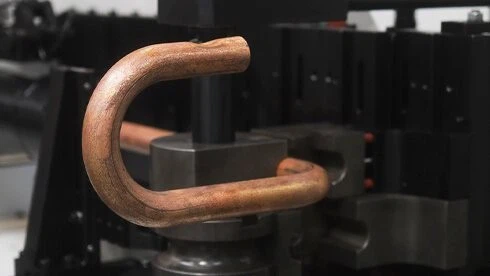
Heavy duty pipe benders are designed to bend thick-walled pipes and tubes made of various materials, including steel, stainless steel, and aluminum. These machines are typically used in industries such as construction, automotive, and manufacturing, where high-strength pipes are required. But can they be used in the pharmaceutical industry?

Advantages of Heavy Duty Pipe Benders
- High Capacity: Heavy duty pipe benders are capable of bending large-diameter pipes with thick walls, which can be useful in pharmaceutical facilities where larger pipes may be required for transporting high volumes of fluids or gases.
- Versatility: These machines can be used to bend pipes into a variety of shapes and angles, allowing for customized solutions to meet the specific needs of pharmaceutical applications.
- Efficiency: Heavy duty pipe benders are designed to bend pipes quickly and accurately, reducing production time and increasing productivity.
Challenges and Limitations
- Surface Finish: The bending process can sometimes leave marks or scratches on the surface of the pipes, which can affect their cleanliness and hygiene. To address this issue, it's important to choose a pipe bender that uses a smooth bending process and does not cause excessive deformation or damage to the pipe surface.
- Material Integrity: Bending pipes can introduce stress and strain into the material, which can potentially affect its integrity and performance. In the pharmaceutical industry, where the quality and safety of the products are of utmost importance, it's crucial to ensure that the bending process does not compromise the material properties of the pipes.
- Precision and Accuracy: While heavy duty pipe benders can achieve high levels of precision and accuracy, the pharmaceutical industry often requires even tighter tolerances. Specialized equipment and techniques may be needed to ensure that the pipes are bent to the exact specifications required for pharmaceutical applications.
Solutions for Using Heavy Duty Pipe Benders in the Pharmaceutical Industry
Despite the challenges and limitations, there are several solutions that can be implemented to ensure that heavy duty pipe benders can be used effectively in the pharmaceutical industry.
Choosing the Right Machine
When selecting a heavy duty pipe bender for pharmaceutical applications, it's important to choose a machine that is specifically designed for the requirements of the industry. Look for a machine that offers a smooth bending process, minimal surface deformation, and high precision and accuracy. Some of the features to consider include:
- CNC Control: Computer Numerical Control (CNC) technology allows for precise control over the bending process, ensuring that the pipes are bent to the exact specifications required.
- Tooling Options: Choose a machine that offers a variety of tooling options to accommodate different pipe sizes and bending requirements.
- Surface Finish: Look for a machine that uses a smooth bending process and does not cause excessive marks or scratches on the pipe surface. Some machines may also offer additional features, such as polishing or deburring, to improve the surface finish of the pipes.
Using the Right Materials
As mentioned earlier, stainless steel is a commonly used material in pharmaceutical pipes due to its corrosion resistance and compatibility with a wide range of chemicals. When using a heavy duty pipe bender to bend stainless steel pipes, it's important to choose a machine that is designed for this specific material. Stainless steel pipes require a different bending process than other materials, as they are more prone to work hardening and cracking.
Implementing Quality Control Measures
To ensure that the pipes bent using a heavy duty pipe bender meet the strict requirements of the pharmaceutical industry, it's important to implement quality control measures throughout the manufacturing process. This may include:
- Inspection and Testing: Regularly inspect the pipes for any surface defects, dimensional deviations, or other issues. Use non-destructive testing methods, such as ultrasonic testing or X-ray inspection, to detect any internal flaws or defects in the pipes.
- Documentation and Traceability: Keep detailed records of the bending process, including the machine settings, material specifications, and inspection results. This documentation can be used to demonstrate compliance with industry regulations and standards.
- Training and Certification: Ensure that the operators of the heavy duty pipe bender are properly trained and certified to use the machine. This will help to ensure that the bending process is carried out correctly and safely, and that the pipes meet the required quality standards.
Conclusion
In conclusion, while there are some challenges and limitations, heavy duty pipe benders can be used effectively in the pharmaceutical industry with the right approach. By choosing the right machine, using the right materials, and implementing quality control measures, it's possible to bend pipes to the precise specifications required for pharmaceutical applications while maintaining the highest levels of hygiene, safety, and quality.
If you're interested in learning more about our heavy duty pipe benders and how they can be used in the pharmaceutical industry, please don't hesitate to contact us. We'd be happy to discuss your specific requirements and provide you with a customized solution. You can also explore our range of Automatic Tube Bender Machine, Fully Automatic Tube Bending Machines CNC, and Stainless Tubing Bender to find the right machine for your needs.
References
- Pharmaceutical Engineering: Principles and Practices, edited by S. K. Upadhyay and A. K. Jain
- Handbook of Pharmaceutical Manufacturing Formulations, edited by Swarbrick and Boylan
- Guidelines for the Design and Construction of Pharmaceutical Facilities, published by the International Society for Pharmaceutical Engineering (ISPE)