


As a seasoned supplier of Alloy Pipe Benders, I've witnessed firsthand the critical role that the transmission system plays in these remarkable machines. In this blog post, I'll delve into the intricacies of the transmission system in an alloy pipe bender, exploring its functions, types, and the impact it has on the overall performance of the machine.
Understanding the Basics of an Alloy Pipe Bender
Before we dive into the transmission system, let's briefly understand what an alloy pipe bender is and what it does. An alloy pipe bender is a specialized machine designed to bend alloy pipes into various shapes and angles. These machines are widely used in industries such as construction, automotive, and manufacturing, where precise and accurate pipe bending is required.
The process of pipe bending involves applying a force to the pipe at a specific point to deform it into the desired shape. The transmission system in an alloy pipe bender is responsible for transmitting the power from the motor to the bending mechanism, ensuring that the force is applied evenly and accurately.
Functions of the Transmission System
The transmission system in an alloy pipe bender serves several important functions:
- Power Transmission: The primary function of the transmission system is to transmit the power from the motor to the bending mechanism. This is achieved through a series of gears, belts, or chains that transfer the rotational motion of the motor to the bending die or rollers.
- Speed Control: The transmission system allows for the adjustment of the speed at which the bending mechanism operates. This is important because different pipe materials and diameters require different bending speeds to achieve the desired results. By adjusting the speed, the operator can ensure that the pipe is bent smoothly and accurately without causing any damage.
- Torque Conversion: The transmission system also converts the torque generated by the motor into a force that is suitable for bending the pipe. Torque is the rotational force that causes an object to rotate, and in the case of a pipe bender, it is used to apply the necessary force to bend the pipe. The transmission system ensures that the torque is transmitted efficiently to the bending mechanism, allowing for precise and consistent bending.
- Direction Control: In some cases, the transmission system allows for the control of the direction in which the pipe is bent. This is useful when bending pipes into complex shapes or when multiple bends are required in different directions. By changing the direction of the transmission, the operator can achieve the desired bending pattern.
Types of Transmission Systems
There are several types of transmission systems used in alloy pipe benders, each with its own advantages and disadvantages. The most common types include:
- Gear Transmission: Gear transmission systems use a series of gears to transmit the power from the motor to the bending mechanism. Gears are known for their high efficiency, durability, and ability to transmit large amounts of torque. They are also relatively simple to maintain and can be easily adjusted to change the speed and direction of the bending mechanism. However, gear transmission systems can be noisy and may require more frequent lubrication.
- Belt Transmission: Belt transmission systems use a belt to transfer the power from the motor to the bending mechanism. Belts are flexible and can transmit power over long distances, making them suitable for applications where space is limited. They are also relatively quiet and require less maintenance than gear transmission systems. However, belts can slip under heavy loads, which can affect the accuracy of the bending process.
- Chain Transmission: Chain transmission systems use a chain to transmit the power from the motor to the bending mechanism. Chains are strong and durable, and they can transmit large amounts of torque. They are also less likely to slip than belts, making them suitable for heavy-duty applications. However, chain transmission systems can be noisy and require more frequent lubrication than belt transmission systems.
- Hydraulic Transmission: Hydraulic transmission systems use hydraulic fluid to transmit the power from the motor to the bending mechanism. Hydraulic systems are known for their high power density, precise control, and ability to operate under heavy loads. They are also relatively quiet and require less maintenance than mechanical transmission systems. However, hydraulic systems can be complex and expensive to install and maintain.
Impact of the Transmission System on Performance
The type of transmission system used in an alloy pipe bender can have a significant impact on its performance. Here are some of the key factors to consider:
- Accuracy: The accuracy of the bending process depends on the ability of the transmission system to transmit the power evenly and accurately. A high-quality transmission system will ensure that the bending mechanism operates smoothly and precisely, resulting in consistent and accurate bends.
- Speed and Efficiency: The speed at which the bending mechanism operates is determined by the transmission system. A well-designed transmission system will allow for the adjustment of the speed to suit the specific requirements of the pipe being bent. This will not only improve the efficiency of the bending process but also reduce the risk of damage to the pipe.
- Durability and Reliability: The durability and reliability of the transmission system are important factors to consider, especially in heavy-duty applications. A high-quality transmission system will be able to withstand the constant stress and strain of the bending process, ensuring that the machine operates smoothly and reliably for many years.
- Maintenance and Serviceability: The ease of maintenance and serviceability of the transmission system is also an important consideration. A transmission system that is easy to access and maintain will reduce downtime and repair costs, making it more cost-effective in the long run.
Importance of Choosing the Right Transmission System
Choosing the right transmission system for an alloy pipe bender is crucial for achieving the best results. Here are some factors to consider when selecting a transmission system:
- Pipe Material and Diameter: Different pipe materials and diameters require different bending speeds and forces. The transmission system should be selected based on the specific requirements of the pipe being bent to ensure that it can provide the necessary power and torque.
- Bending Angle and Radius: The bending angle and radius also play a role in the selection of the transmission system. Some transmission systems are better suited for sharp bends, while others are more suitable for gentle curves. The operator should choose a transmission system that can accommodate the desired bending angle and radius.
- Production Volume: The production volume is another important factor to consider. If the machine will be used for high-volume production, a more robust and efficient transmission system may be required to ensure that the bending process can be completed quickly and accurately.
- Budget: Finally, the budget is always a consideration when selecting a transmission system. The operator should choose a transmission system that provides the best value for money, taking into account the features, performance, and durability of the system.
Conclusion
In conclusion, the transmission system is a critical component of an alloy pipe bender. It plays a vital role in transmitting the power from the motor to the bending mechanism, ensuring that the pipe is bent smoothly and accurately. By understanding the functions, types, and impact of the transmission system, operators can make informed decisions when selecting an alloy pipe bender that meets their specific requirements.

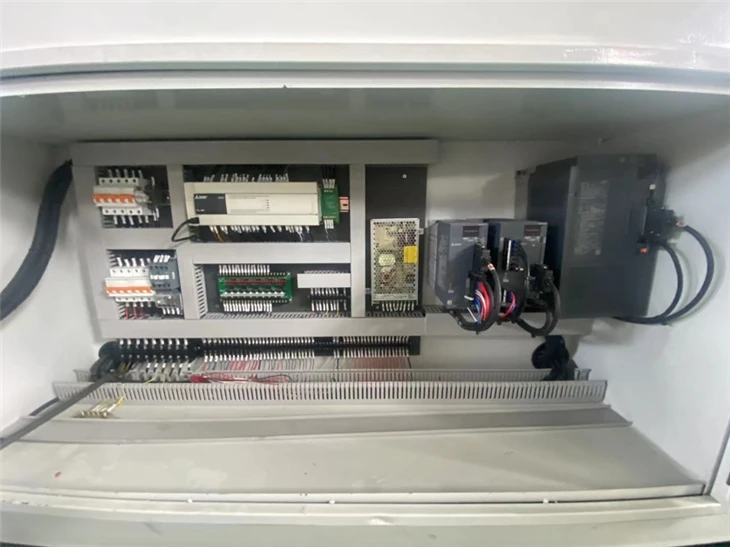
At our company, we offer a wide range of Metal Pipe Bender Machine, including Automotive Exhaust Pipe Bender and CNC Hydraulic Pipe Bending Machine. Our machines are equipped with high-quality transmission systems that ensure precise and consistent bending results. If you're in the market for an alloy pipe bender, we encourage you to contact us to discuss your needs and learn more about our products.
References
- Smith, J. (2018). Pipe Bending Technology: Principles and Applications. Elsevier.
- Jones, R. (2019). Handbook of Pipe Bending: Design, Manufacture, and Quality Control. CRC Press.
- Brown, A. (2020). Advanced Pipe Bending Techniques for Industrial Applications. Wiley.