


Upgrading an old industrial pipe bender can significantly enhance its performance, efficiency, and longevity. As a trusted supplier of Industrial Pipe Bender, I've witnessed firsthand the transformative impact of well - executed upgrades. In this blog post, I'll share some key strategies and considerations for upgrading an old industrial pipe bender.
Assessing the Current State of the Pipe Bender
Before embarking on any upgrade project, a thorough assessment of the existing pipe bender is essential. Start by examining the mechanical components such as the bending dies, rollers, and gears. Look for signs of wear and tear, such as excessive play, corrosion, or damaged teeth. Check the hydraulic system for leaks, low fluid levels, or malfunctioning valves. Electrical components, including motors, controllers, and sensors, should also be inspected for proper functioning.
It's also important to evaluate the overall performance of the pipe bender. Analyze the bending accuracy, speed, and repeatability. If the machine is struggling to meet production requirements or is producing inconsistent results, these are clear indicators that an upgrade may be necessary.
Upgrading the Control System
One of the most effective ways to upgrade an old industrial pipe bender is to modernize its control system. Older machines often rely on manual or basic electronic controls, which can be limited in terms of functionality and precision. By replacing the old control system with a more advanced numerical control (NC) or computer numerical control (CNC) system, you can achieve greater accuracy, flexibility, and automation.
An NC or CNC system allows you to program complex bending sequences with precise angles, radii, and lengths. This not only improves the quality of the bent pipes but also reduces the setup time between different jobs. Additionally, modern control systems often come with features such as automatic tool compensation, real - time monitoring, and data logging, which can further enhance the efficiency and productivity of the pipe bender.
For those looking for a more cost - effective option, a Semi - automatic Pipe Bender can be a great choice. These machines combine some level of automation with manual operation, providing a good balance between performance and affordability.
Replacing Worn - Out Components
Over time, the mechanical components of an industrial pipe bender will naturally wear out. Replacing these worn - out parts is crucial for maintaining the machine's performance and preventing costly breakdowns. Some of the key components that may need to be replaced include:
- Bending Dies: The bending dies are responsible for shaping the pipes. Worn or damaged dies can result in poor - quality bends, increased scrap rates, and even damage to the pipes. By replacing the dies with high - quality, precision - machined ones, you can ensure consistent and accurate bending.
- Rollers: Rollers are used to guide the pipes through the bending process. If the rollers are worn or misaligned, they can cause the pipes to slip or deform. Replacing the rollers and ensuring proper alignment will improve the bending accuracy and reduce the risk of pipe damage.
- Gears and Chains: Gears and chains are essential for transmitting power from the motor to the bending mechanism. Worn gears and chains can lead to reduced power transmission, increased noise, and premature failure of other components. Regularly inspecting and replacing these parts will help keep the machine running smoothly.
Improving the Hydraulic System
The hydraulic system is a critical part of many industrial pipe benders, as it provides the force needed to bend the pipes. Upgrading the hydraulic system can improve the machine's performance and reliability. Some possible upgrades include:
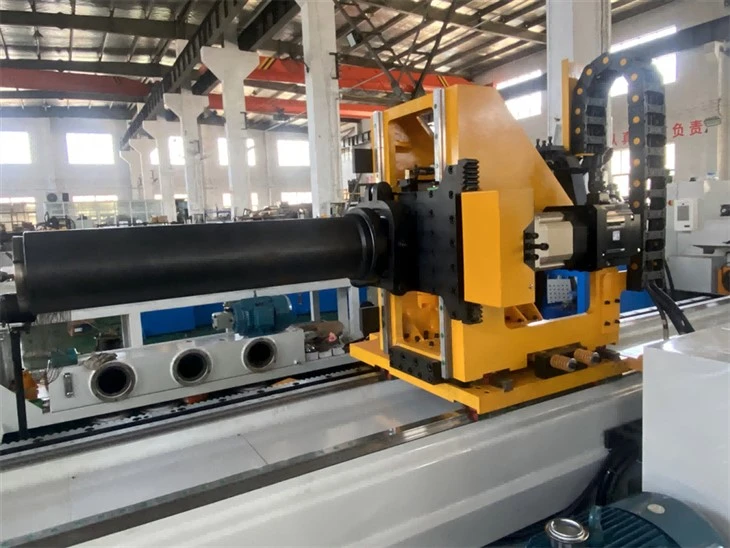

- Replacing the Hydraulic Pump: An old or inefficient hydraulic pump can result in slow bending speeds and inconsistent pressure. By replacing the pump with a more powerful and efficient model, you can increase the bending force and speed of the machine.
- Upgrading the Hydraulic Valves: Hydraulic valves control the flow and pressure of the hydraulic fluid. Upgrading to high - quality, precision - engineered valves can improve the responsiveness and accuracy of the hydraulic system.
- Adding a Hydraulic Filter: A hydraulic filter helps remove contaminants from the hydraulic fluid, preventing damage to the pump, valves, and other components. Installing a high - quality filter and regularly changing it will extend the life of the hydraulic system.
Enhancing Safety Features
Safety should always be a top priority when operating an industrial pipe bender. Upgrading the safety features of an old machine can help protect operators from accidents and injuries. Some safety upgrades to consider include:
- Installing Emergency Stop Buttons: Emergency stop buttons should be easily accessible and clearly marked. They allow operators to quickly stop the machine in case of an emergency.
- Adding Safety Guards: Safety guards are used to prevent operators from coming into contact with moving parts. Upgrading the existing guards or adding new ones can provide better protection.
- Implementing Safety Interlocks: Safety interlocks are devices that prevent the machine from operating unless certain conditions are met. For example, a safety interlock can prevent the bending mechanism from starting if the safety guard is not in place.
Training and Support
Once the upgrade is complete, it's important to provide proper training to the operators. They need to be familiar with the new features and functions of the upgraded pipe bender to ensure safe and efficient operation. As a supplier, we offer comprehensive training programs that cover everything from basic operation to advanced programming.
In addition to training, ongoing support is also crucial. Our team of experienced technicians is available to provide technical assistance, troubleshooting, and maintenance services. We understand that downtime can be costly for your business, so we strive to respond quickly to any issues that may arise.
Conclusion
Upgrading an old industrial pipe bender is a smart investment that can pay off in the long run. By modernizing the control system, replacing worn - out components, improving the hydraulic system, enhancing safety features, and providing proper training and support, you can significantly improve the performance, efficiency, and longevity of your machine.
If you're considering upgrading your industrial pipe bender or are in the market for a new one, we'd love to hear from you. Our team of experts can help you choose the right upgrade options for your specific needs and budget. Contact us today to start the conversation and take your pipe bending operations to the next level.
References
- Smith, J. (2018). Industrial Pipe Bending Technology. Publisher XYZ.
- Johnson, A. (2019). Advances in Pipe Bending Control Systems. Journal of Manufacturing Technology, Vol. 25, Issue 3.
- Brown, C. (2020). Hydraulic System Upgrades for Industrial Machinery. Mechanical Engineering Review, Vol. 32, Issue 2.