


Hey there! As a supplier of CNC pipe bending machines, I often get asked about how to set up the bending program for these machines. It might seem a bit daunting at first, but with the right steps and a bit of practice, you'll be up and running in no time. In this blog post, I'll walk you through the process, from the basics to some advanced tips.
Understanding the Basics
Before we dive into setting up the bending program, it's crucial to understand the key components of a CNC pipe bending machine. These machines are designed to bend pipes with high precision and repeatability, and they use a computer numerical control (CNC) system to control the bending process. The main parts of a CNC pipe bending machine include the bending head, the clamping device, the feeding system, and the control panel.
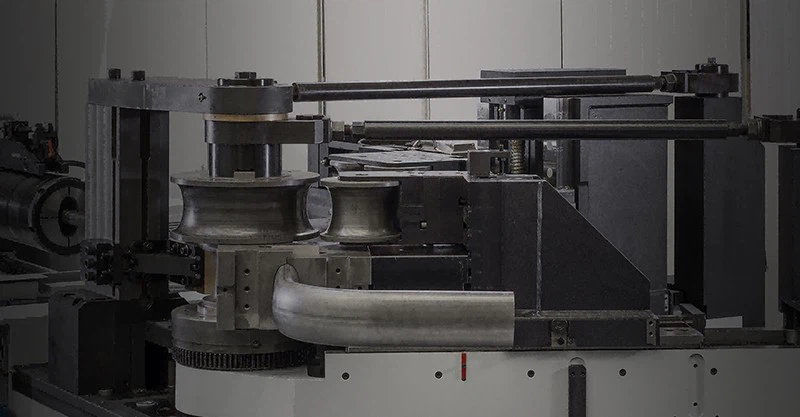
The bending head is where the actual bending of the pipe takes place. It usually consists of a bending die and a pressure die, which work together to shape the pipe. The clamping device holds the pipe in place during the bending process, ensuring accuracy and stability. The feeding system moves the pipe through the machine at a controlled speed, and the control panel is where you input the bending program and monitor the machine's operation.
Gathering the Necessary Information
The first step in setting up the bending program is to gather all the necessary information about the pipe you want to bend. This includes the pipe's material, diameter, wall thickness, and the desired bend radius and angle. Different materials have different properties, such as hardness and ductility, which can affect the bending process. For example, a harder material might require more force to bend, while a more ductile material might be more prone to wrinkling or cracking.
You'll also need to know the length of the pipe and the number of bends you want to make. This information will help you determine the overall layout of the bending program and ensure that the machine can handle the job. Once you have all this information, you can start creating the bending program.
Creating the Bending Program
Most modern CNC pipe bending machines come with a user-friendly software interface that allows you to create and edit bending programs. The software typically has a graphical interface that makes it easy to visualize the bending process and input the required parameters.
To create a bending program, you'll need to follow these steps:
- Open the software: Turn on the machine and launch the bending program software on the control panel.
- Select the pipe parameters: Enter the pipe's material, diameter, wall thickness, and other relevant information into the software.
- Define the bend parameters: Specify the bend radius, angle, and direction for each bend you want to make. You can also set the distance between bends and the feed rate of the pipe.
- Generate the program: Once you've entered all the necessary parameters, the software will generate the bending program. You can preview the program on the screen to make sure it looks correct.
- Save and transfer the program: Save the bending program to the machine's memory or a USB drive. If you're using a USB drive, you can transfer the program to the machine by inserting the drive into the appropriate port.
Testing the Bending Program
Before you start bending pipes in production, it's a good idea to test the bending program on a sample pipe. This will allow you to check for any errors or issues in the program and make any necessary adjustments.
To test the bending program, follow these steps:
- Load the sample pipe: Insert the sample pipe into the machine and secure it using the clamping device.
- Run the program: Start the machine and let it run the bending program on the sample pipe. Monitor the process closely to make sure everything is working correctly.
- Inspect the bent pipe: Once the bending process is complete, remove the bent pipe from the machine and inspect it for any defects, such as wrinkles, cracks, or incorrect bend angles.
- Make adjustments: If you find any issues with the bent pipe, go back to the bending program software and make the necessary adjustments. You might need to change the bend radius, angle, or feed rate to achieve the desired results.
Advanced Tips and Tricks
Here are some advanced tips and tricks to help you get the most out of your CNC pipe bending machine:
- Use simulation software: Some CNC pipe bending machine software comes with simulation capabilities, which allow you to simulate the bending process before you run the program on the actual machine. This can help you identify potential problems and optimize the bending program.
- Optimize the bend sequence: The order in which you make the bends can have a significant impact on the quality of the final product. Try to arrange the bends in a way that minimizes the stress on the pipe and reduces the risk of wrinkling or cracking.
- Maintain the machine: Regular maintenance is essential to keep your CNC pipe bending machine in good working condition. Make sure to clean the machine regularly, lubricate the moving parts, and replace any worn or damaged components.
Conclusion
Setting up the bending program for a CNC pipe bending machine might seem like a complex task, but with the right knowledge and experience, it can be a straightforward process. By following the steps outlined in this blog post and using the advanced tips and tricks, you'll be able to create accurate and efficient bending programs that will help you produce high-quality bent pipes.
If you're in the market for a CNC pipe bending machine, we offer a range of options to suit your needs. Check out our Automatic Hydraulic Tube Bender, Fully Automatic Pipe Bending Machine, and Fully Automatic Tube Bending Machines CNC. If you have any questions or need further assistance, feel free to reach out to us for more information and to discuss your specific requirements. We're here to help you find the perfect solution for your pipe bending needs.

References
- "CNC Pipe Bending Machine Operation Manual"
- "Pipe Bending Technology Handbook"