


Hey there! As a supplier of auto pipe benders, I've seen firsthand the importance of safe operation. In this blog, I'm gonna share some tips on how to operate an auto pipe bender safely.
First things first, let's talk about the importance of safety. Auto pipe benders are powerful machines that can cause serious injuries if not used properly. So, it's crucial to follow all safety guidelines and procedures to protect yourself and others.
Before you start operating the auto pipe bender, make sure you've read and understood the operator's manual. The manual contains important information about the machine's features, operation, and safety precautions. It's like your go - to guide for everything related to the pipe bender.
Inspect the machine thoroughly before each use. Check for any loose parts, damaged cables, or signs of wear and tear. Look at the bending dies, hydraulic hoses, and electrical connections. If you notice anything wrong, don't use the machine until it's been repaired. For example, a loose bending die can cause the pipe to bend unevenly or even fly out of the machine, which is super dangerous.
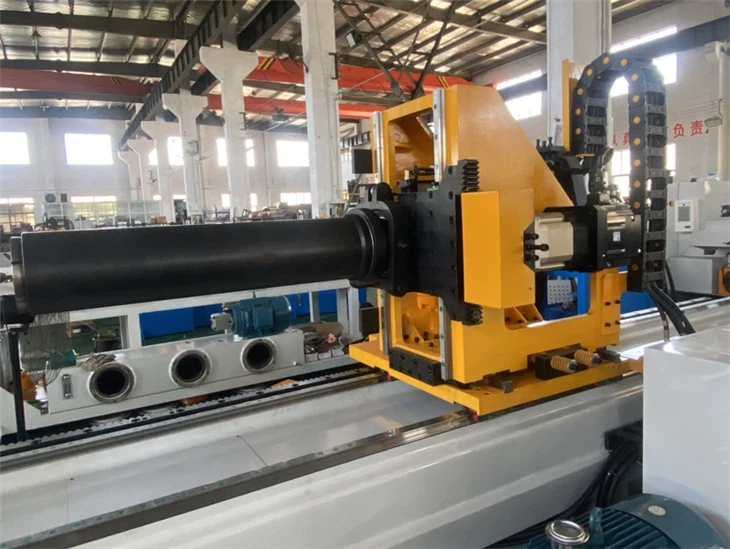

Wear the appropriate personal protective equipment (PPE). This includes safety glasses to protect your eyes from flying debris, gloves to grip the pipes and protect your hands, and steel - toed boots to safeguard your feet. A hard hat might also be necessary if you're working in an area where there's a risk of falling objects.
When loading the pipe into the bender, make sure it's properly aligned. Incorrect alignment can lead to inaccurate bends and increase the risk of the pipe getting stuck or the machine malfunctioning. Measure the pipe accurately to ensure you're bending it to the right specifications. You can use a measuring tape or a pipe - measuring tool for this.
Set the bending angle and radius correctly. Most auto pipe benders have controls to adjust these parameters. Double - check your settings to make sure they match your project requirements. If you're not sure how to set the controls, refer back to the operator's manual. It'll have step - by - step instructions on how to do it.
During the bending process, keep your hands and other body parts away from the moving parts of the machine. The bending dies and rollers can cause severe crushing or shearing injuries. Don't try to adjust the pipe or the machine while it's in operation. Wait until the machine has stopped completely.
If you're using a hydraulic pipe bender, like our [Hydraulic Mandrel Pipe Bender](/pipe - bending - machine/hydraulic - pipe - bending - machine/hydraulic - mandrel - pipe - bender.html) or [Hydraulic Copper Pipe Bender](/pipe - bending - machine/hydraulic - pipe - bending - machine/hydraulic - copper - pipe - bender.html), pay attention to the hydraulic system. Check the hydraulic fluid level regularly and make sure there are no leaks. A hydraulic leak can not only damage the machine but also pose a slipping hazard.
For those working with iron pipes, our [Iron Pipe Bending Machine](/pipe - bending - machine/hydraulic - pipe - bending - machine/iron - pipe - bending - machine.html) is a great option. But remember, iron pipes can be heavy and difficult to handle. Use a lifting device or get some help when moving them around. Don't try to lift a heavy iron pipe by yourself as it can lead to back injuries.
After you've finished bending the pipes, turn off the machine and unplug it from the power source. This prevents any accidental startups. Also, clean the machine and store it in a safe place. Remove any leftover pipes or debris from the work area to keep it clean and hazard - free.
Now, let's talk about training. It's essential that all operators are properly trained on how to use the auto pipe bender. Training should cover not only the basic operation of the machine but also safety procedures. A well - trained operator is less likely to make mistakes that could lead to accidents.
Regular maintenance of the auto pipe bender is also key to safe operation. Follow the maintenance schedule in the operator's manual. This might include lubricating moving parts, checking the electrical system, and replacing worn - out components. By keeping the machine in good condition, you can ensure its safe and efficient operation.
If you ever encounter a problem with the machine, don't try to fix it yourself unless you're qualified. Contact the manufacturer or a professional technician. They have the expertise to diagnose and repair the issue safely.
In summary, operating an auto pipe bender safely involves reading the manual, inspecting the machine, wearing PPE, aligning the pipe correctly, setting the right parameters, keeping hands away from moving parts, and following proper maintenance and troubleshooting procedures.
If you're in the market for a high - quality auto pipe bender, we're here to help. Our range of pipe benders is designed for efficiency and safety. Whether you need a hydraulic mandrel pipe bender, a hydraulic copper pipe bender, or an iron pipe bending machine, we've got you covered. Reach out to us to discuss your specific needs and get a quote. We're looking forward to working with you to make your pipe - bending projects a success.
References
- Operator's manuals of auto pipe benders
- Industry safety standards for pipe - bending equipment