


In the manufacturing industry, the repeatability of the bending process in an alloy pipe bender is crucial for ensuring consistent product quality, reducing waste, and increasing overall efficiency. As a leading supplier of Alloy Pipe Benders, we understand the challenges faced by manufacturers in achieving high repeatability. In this blog post, we will explore several key strategies that can help improve the repeatability of the bending process in an alloy pipe bender.
1. Machine Calibration and Maintenance
Regular calibration and maintenance of the alloy pipe bender are fundamental to achieving repeatable bending results. Over time, the components of the machine can wear out, leading to inaccuracies in the bending process. By performing routine calibration, we can ensure that the machine's settings, such as the bending angle, radius, and pressure, are accurate and consistent.
Calibration should be carried out using precision measuring tools, such as angle gauges and radius gauges, to verify the accuracy of the bending operations. Any deviations from the desired specifications should be adjusted immediately to maintain repeatability. Additionally, regular maintenance, including lubrication, cleaning, and inspection of the machine's components, can prevent premature wear and ensure smooth operation.
2. Material Selection and Preparation
The quality and properties of the alloy pipe used in the bending process can significantly affect repeatability. Different alloys have varying levels of ductility, hardness, and elasticity, which can influence how the pipe bends. Therefore, it is essential to select the appropriate alloy material based on the specific requirements of the bending application.
Before bending, the pipes should be properly prepared to ensure consistent results. This includes cleaning the pipes to remove any dirt, debris, or contaminants that could affect the bending process. Additionally, the pipes should be cut to the correct length and have smooth ends to prevent any irregularities during bending.
3. Tooling Design and Quality
The tooling used in the alloy pipe bender, such as the bending dies and mandrels, plays a critical role in achieving repeatable bending results. High-quality tooling that is designed specifically for the alloy pipe being bent can help ensure accurate and consistent bending.
The bending dies should be made from materials that are hard enough to withstand the forces involved in the bending process but also have sufficient flexibility to prevent cracking or deformation. The mandrels, which are used to support the inside of the pipe during bending, should be properly sized and shaped to provide the necessary support and prevent wrinkling or collapsing of the pipe.
Regular inspection and maintenance of the tooling are also important to ensure its continued performance. Any signs of wear or damage should be addressed promptly by replacing or repairing the tooling.
4. Process Optimization
Optimizing the bending process parameters can help improve repeatability. This includes adjusting the bending speed, pressure, and angle to ensure that the pipe bends consistently. The bending speed should be set at a level that allows the pipe to deform gradually without causing excessive stress or damage.
The pressure applied during bending should be carefully controlled to ensure that it is sufficient to bend the pipe but not too high to cause over-bending or cracking. The bending angle should be accurately set and monitored to ensure that it meets the desired specifications.
In addition to these parameters, the use of advanced control systems can also help improve repeatability. These systems can provide real-time monitoring and adjustment of the bending process, ensuring that any deviations from the desired specifications are corrected immediately.
5. Operator Training and Skill Development
The skills and knowledge of the operators using the alloy pipe bender are crucial for achieving repeatable bending results. Proper training on the operation of the machine, including its controls, settings, and safety procedures, can help ensure that the operators are able to perform the bending process accurately and consistently.

Operator training should also include instruction on material selection, tooling installation, and process optimization. By providing operators with the necessary skills and knowledge, they can make informed decisions during the bending process and take appropriate actions to ensure repeatability.
Regular skill development programs can also help keep the operators up-to-date with the latest techniques and technologies in alloy pipe bending. This can include attending workshops, seminars, or training courses, as well as participating in on-the-job training and mentorship programs.
6. Quality Control and Monitoring
Implementing a comprehensive quality control system is essential for ensuring repeatability in the alloy pipe bending process. This includes regular inspection of the bent pipes to check for any defects or deviations from the desired specifications.
Quality control can be performed using a variety of methods, such as visual inspection, dimensional measurement, and non-destructive testing. By detecting and correcting any issues early in the process, we can prevent the production of defective parts and ensure that the final products meet the required quality standards.
In addition to regular inspection, continuous monitoring of the bending process can help identify any trends or patterns that could indicate potential problems. This can be done using sensors and monitoring systems that collect data on the bending process parameters, such as the bending angle, pressure, and speed. By analyzing this data, we can make adjustments to the process as needed to maintain repeatability.
7. Use of Automation and Robotics
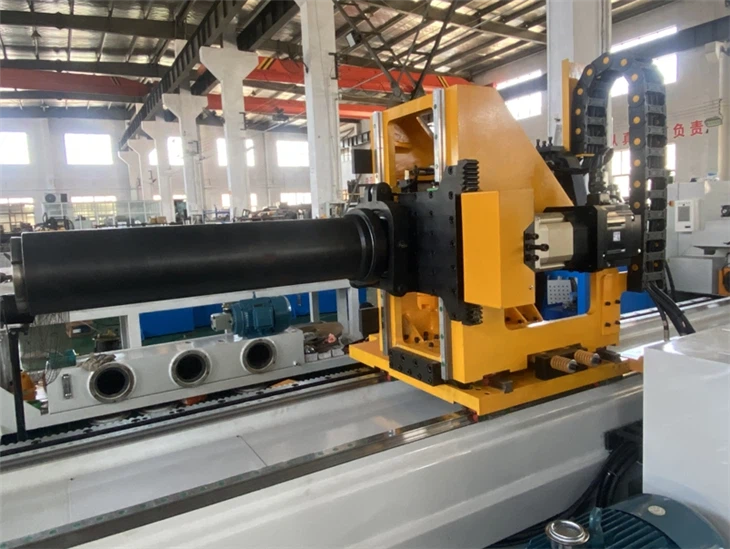
Automation and robotics can significantly improve the repeatability of the alloy pipe bending process. Automated pipe benders, such as the Auto Pipe Bender, can perform bending operations with high precision and consistency. These machines are programmed to follow specific bending sequences and can repeat the same process accurately multiple times.
Robotic systems can also be used to handle the pipes during the bending process, reducing the risk of human error and improving efficiency. By using automation and robotics, manufacturers can achieve higher levels of repeatability, increase productivity, and reduce labor costs.
8. Collaboration and Continuous Improvement
Collaboration between the manufacturer, the tooling supplier, and the material supplier can help improve the repeatability of the alloy pipe bending process. By working together, these parties can share their expertise and knowledge to optimize the bending process and develop solutions to any challenges that may arise.
Continuous improvement is also essential for achieving long-term repeatability. By regularly reviewing the bending process, analyzing the data, and implementing changes based on the findings, manufacturers can identify areas for improvement and make adjustments to the process as needed. This can help ensure that the bending process remains efficient, accurate, and repeatable over time.
Conclusion
Improving the repeatability of the bending process in an alloy pipe bender is a complex but achievable goal. By implementing the strategies outlined in this blog post, including machine calibration and maintenance, material selection and preparation, tooling design and quality, process optimization, operator training and skill development, quality control and monitoring, use of automation and robotics, and collaboration and continuous improvement, manufacturers can achieve consistent and accurate bending results.
As a leading supplier of Alloy Pipe Benders, we are committed to helping our customers improve the repeatability of their bending processes. Our range of high-quality Auto Pipe Bender, Automotive Pipe Bender, and Iron Pipe Bending Machine are designed to provide accurate and repeatable bending results. If you are interested in learning more about our products or need assistance with improving the repeatability of your bending process, please contact us to discuss your specific requirements.
References
- Smith, J. (2018). Pipe Bending Technology: Principles and Applications. Elsevier.
- Jones, A. (2019). Alloy Materials for Pipe Bending. Journal of Materials Science and Engineering, 12(3), 45-52.
- Brown, C. (2020). Optimization of the Pipe Bending Process Using Advanced Control Systems. International Journal of Manufacturing Technology, 25(2), 78-85.