


As a supplier of pipe rolling machines, I've seen firsthand how crucial it is to ensure the quality of pipes processed by these machines. Whether you're in the construction, manufacturing, or any other industry that relies on bent pipes, getting the quality right can make or break your project. In this blog, I'll share some tips and tricks on how to guarantee top - notch pipe quality when using our rolling machines.
Selecting the Right Machine
First things first, picking the appropriate pipe rolling machine is fundamental. We offer a range of machines, like the Rolling Pipe Bender Machine, 3 Roller Pipe Bending Machine, and Roll Bending Machine. Each machine is designed for different pipe sizes, materials, and bending requirements.
For instance, if you're working with small - diameter pipes, a compact rolling pipe bender machine might be your best bet. It's more agile and can handle tight bends with ease. On the other hand, when dealing with large - scale projects involving thick - walled pipes, a 3 roller pipe bending machine offers the power and stability needed for consistent results. Before making a purchase, assess your project needs carefully. Consider factors such as the maximum and minimum pipe diameters you'll be working with, the type of material (steel, aluminum, etc.), and the complexity of the bends required.
Pre - processing Checks
Once you've got the right machine, it's time to focus on the pipes themselves. Before loading them into the rolling machine, conduct a thorough inspection. Look for any visible defects like cracks, dents, or rust. These imperfections can not only affect the quality of the bend but also pose safety risks during the bending process.
Measure the pipes' dimensions accurately. Any deviation from the specified size can lead to inconsistent bends. Check the wall thickness, as uneven thickness can cause the pipe to deform unevenly during bending. Also, make sure the pipes are clean. Dirt, grease, or other contaminants can interfere with the machine's operation and leave marks on the pipes.
Machine Setup and Calibration
Proper machine setup is key to ensuring high - quality pipe processing. Start by adjusting the rollers according to the pipe's diameter and wall thickness. The distance between the rollers should be set precisely to achieve the desired bend radius. Our machines usually come with detailed instructions on how to make these adjustments, but if you're unsure, don't hesitate to reach out to our technical support team.
Calibrate the machine regularly. Over time, the rollers may wear out, and the machine's accuracy can decline. Use calibration tools to check the alignment of the rollers and the overall performance of the machine. Make any necessary adjustments to ensure that the machine is operating at its best.
Operator Training
No matter how advanced the machine is, its performance depends largely on the operator. Provide comprehensive training to your operators. They should understand the machine's controls, safety procedures, and how to troubleshoot common issues. Teach them the correct techniques for loading and unloading pipes, as well as how to monitor the bending process.
Encourage operators to pay close attention to the machine's performance during operation. They should be able to detect any unusual noises, vibrations, or changes in the bending process. Early detection of problems can prevent defective pipes from being produced and avoid potential damage to the machine.
Quality Control During Processing
Implement a quality control system during the pipe - bending process. Set up inspection points at regular intervals to check the quality of the bent pipes. Measure the bend radius, angle, and any other critical dimensions. Compare the results with the specifications to ensure that the pipes meet the required standards.
Use non - destructive testing methods, such as ultrasonic testing or magnetic particle testing, to detect any internal defects in the pipes. These methods can help identify issues that may not be visible to the naked eye. If any defective pipes are found, immediately stop the production process and investigate the cause. Make the necessary adjustments to the machine or the process to prevent further defects.
Post - processing Inspection
After the pipes have been bent, conduct a final inspection. Check for any surface defects, such as scratches, wrinkles, or flattening. Ensure that the pipes are clean and free of any debris. Measure the final dimensions one more time to confirm that they meet the specifications.
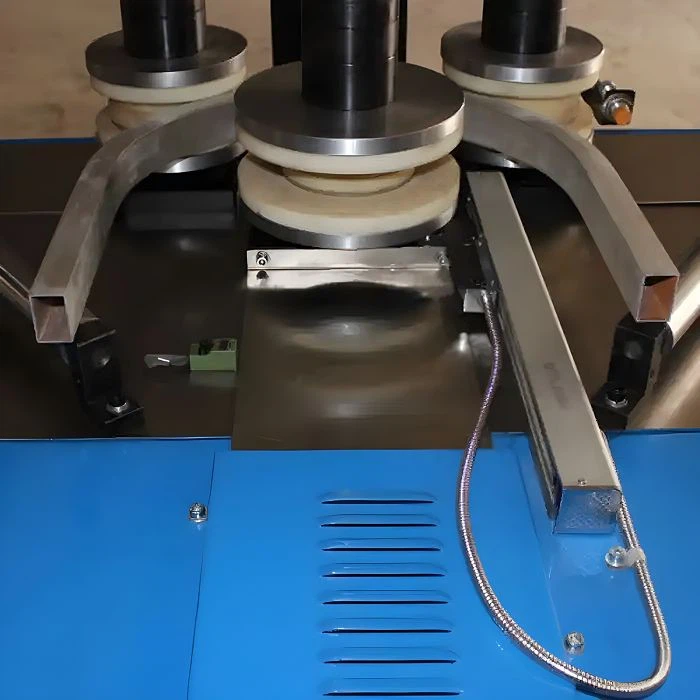

If the pipes are going to be used in a critical application, perform additional tests, such as pressure testing or fatigue testing. These tests can provide more information about the pipes' performance under real - world conditions.
Maintenance and Lubrication
Regular maintenance of the pipe rolling machine is essential for consistent quality. Clean the machine after each use to remove any metal shavings, dirt, or grease. Lubricate the moving parts, such as the rollers and bearings, according to the manufacturer's recommendations.
Inspect the machine for any signs of wear and tear. Replace any worn - out parts promptly to prevent further damage to the machine and ensure its continued accuracy. A well - maintained machine will not only produce high - quality pipes but also have a longer lifespan.
Feedback and Continuous Improvement
Finally, gather feedback from your customers and operators. They can provide valuable insights into the quality of the pipes and the performance of the machine. Use this feedback to identify areas for improvement. Whether it's making changes to the machine setup, adjusting the quality control process, or providing additional training, continuous improvement is the key to staying ahead in the market.
If you're interested in purchasing a high - quality pipe rolling machine or have any questions about ensuring the quality of pipe processing, don't hesitate to get in touch. We're here to help you achieve the best results in your projects.
References
- General guidelines on pipe bending and quality control in the manufacturing industry.
- Manufacturer's manuals for our pipe rolling machines.