


How to adjust the pressure of an industrial pipe bender?
As a seasoned supplier of Industrial Pipe Benders, I've witnessed firsthand the critical role that proper pressure adjustment plays in the performance and longevity of these machines. Whether you're working with a Semi - automatic Pipe Bender, a Mandrel Bending Machine, or an Industrial Pipe Bender, understanding how to adjust the pressure is essential for achieving precise bends and preventing equipment damage.
Understanding the Basics of Pressure in Pipe Benders
Before delving into the adjustment process, it's important to understand the concept of pressure in an industrial pipe bender. Pressure is the force applied to the pipe during the bending process. This force is typically generated by a hydraulic system, although some machines may use mechanical or pneumatic systems. The pressure needs to be carefully calibrated to match the material, diameter, and wall thickness of the pipe being bent.
If the pressure is too low, the pipe may not bend to the desired angle, resulting in an inaccurate bend. On the other hand, if the pressure is too high, it can cause the pipe to collapse, crack, or develop wrinkles. Additionally, excessive pressure can put unnecessary stress on the machine's components, leading to premature wear and tear.
Factors Affecting Pressure Adjustment
Several factors influence the pressure required for bending a pipe. These include:
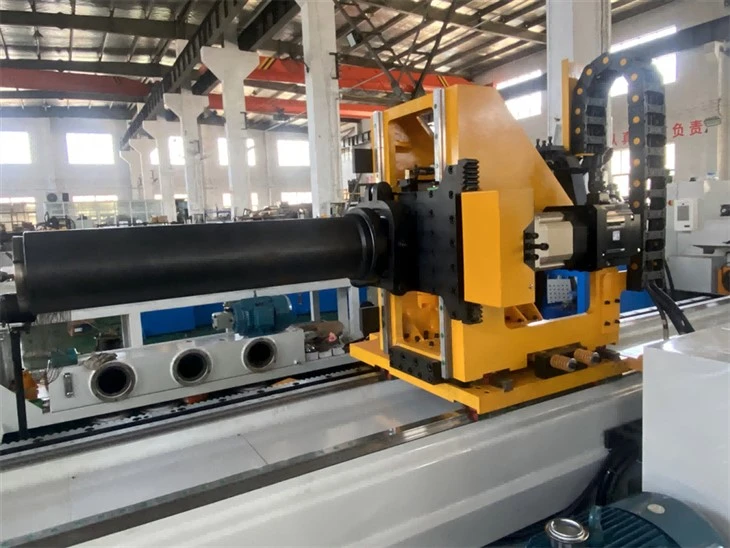

- Pipe Material: Different materials have different levels of ductility and strength. For example, copper and aluminum are more ductile than steel, so they require less pressure to bend. Steel pipes, especially those with high carbon content, may need significantly higher pressure.
- Pipe Diameter: Larger diameter pipes generally require more pressure to bend than smaller ones. This is because the force needed to deform the larger cross - sectional area of the pipe is greater.
- Wall Thickness: Pipes with thicker walls are more resistant to bending and thus need higher pressure. Thinner - walled pipes can be bent with less pressure, but care must be taken to avoid collapsing the pipe.
- Bend Radius: A smaller bend radius requires more pressure than a larger one. This is because the pipe has to be deformed more sharply, which demands a greater force.
Steps to Adjust the Pressure of an Industrial Pipe Bender
The following steps outline a general process for adjusting the pressure of an industrial pipe bender:
- Refer to the Manufacturer's Manual: Every industrial pipe bender comes with a user manual that provides specific instructions for pressure adjustment. It's crucial to read and understand these instructions before making any adjustments. The manual will also contain recommended pressure settings for different pipe materials, diameters, and wall thicknesses.
- Prepare the Machine: Ensure that the pipe bender is turned off and disconnected from the power source. Check the hydraulic fluid level and make sure it is within the recommended range. Low fluid levels can affect the machine's performance and may lead to inaccurate pressure readings.
- Identify the Pressure Adjustment Valve: In a hydraulic pipe bender, the pressure adjustment valve is usually located near the hydraulic pump. It may be a screw - type valve or a knob that can be turned to increase or decrease the pressure.
- Set the Initial Pressure: Based on the pipe material, diameter, wall thickness, and bend radius, set the initial pressure according to the manufacturer's recommendations. Start with a lower pressure setting and gradually increase it if necessary.
- Test Bend a Sample Pipe: Once the initial pressure is set, load a sample pipe into the machine and perform a test bend. Measure the bend angle and inspect the pipe for any signs of damage, such as cracks or wrinkles.
- Make Adjustments: If the bend is inaccurate or the pipe shows signs of damage, adjust the pressure accordingly. If the bend angle is too small, increase the pressure slightly. If the pipe is collapsing or cracking, decrease the pressure. Repeat the test bend until the desired results are achieved.
- Record the Settings: Once the correct pressure setting is determined, record it for future reference. This will save time and ensure consistency when bending pipes of the same specifications.
Troubleshooting Pressure - Related Issues
Even with proper pressure adjustment, you may encounter some issues during the bending process. Here are some common problems and their solutions:
- Inaccurate Bends: If the bends are not achieving the desired angle, check the pressure setting first. It may be too low or too high. Also, make sure that the pipe is properly aligned in the machine and that the bending dies are in good condition.
- Pipe Collapse or Cracking: This is usually a sign of excessive pressure. Reduce the pressure and check the pipe for any pre - existing defects. If the problem persists, the bending dies may need to be replaced or adjusted.
- Machine Noise or Vibration: Unusual noise or vibration can indicate a problem with the hydraulic system or the pressure adjustment. Check the hydraulic fluid for air bubbles, which can cause erratic pressure changes. Also, inspect the machine's components for any signs of damage or loose connections.
Maintenance for Optimal Pressure Performance
Regular maintenance is essential for ensuring that the pressure adjustment of an industrial pipe bender remains accurate over time. Here are some maintenance tips:
- Hydraulic System Maintenance: Check the hydraulic fluid regularly and change it according to the manufacturer's recommendations. Replace any worn - out seals or hoses to prevent fluid leaks, which can affect the pressure.
- Inspect the Bending Dies: The bending dies are critical components that can affect the pressure and the quality of the bend. Inspect them regularly for wear and tear, and replace them if necessary.
- Clean the Machine: Keep the machine clean and free of debris. Dirt and debris can interfere with the operation of the pressure adjustment valve and other components.
Conclusion
Adjusting the pressure of an industrial pipe bender is a skill that requires a good understanding of the machine, the pipe material, and the bending process. By following the steps outlined above and taking into account the various factors that affect pressure, you can achieve precise bends and extend the life of your machine.
If you're in the market for a high - quality industrial pipe bender or need further assistance with pressure adjustment, we're here to help. Our team of experts can provide you with the guidance and support you need to make the most of your pipe - bending operations. Contact us today to discuss your requirements and explore our range of Industrial Pipe Benders.
References
- Manufacturer's manuals of industrial pipe benders
- Industry standards and guidelines for pipe bending
- Technical literature on hydraulic systems and pressure control