


Hey there! As a supplier in the custom tube bending game, I know how crucial it is to ensure the consistency of our products. It's not just about making tubes bend; it's about making them bend the same way every single time. In this blog, I'm gonna share some of the key strategies we use to achieve that consistency.

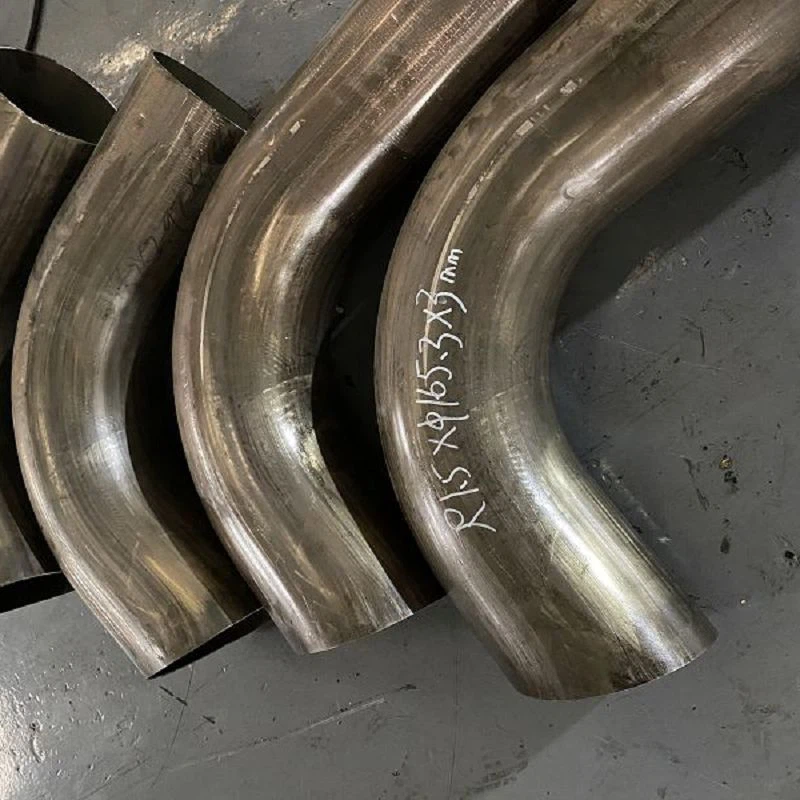
First off, let's talk about materials. The quality and properties of the tubes we use play a huge role in the bending process. We always source our tubes from reliable suppliers. For example, when it comes to stainless steel tubes, we look for those with consistent chemical compositions and mechanical properties. A small variation in the material can lead to big differences in how the tube bends. That's why we do thorough inspections on every batch of tubes we receive. We check things like wall thickness, diameter, and hardness. If a tube doesn't meet our standards, it doesn't make it into the bending process. You can learn more about Tube Bending Metal Stainless Steel on our website.
Another important factor is the bending equipment. We've invested in high - tech bending machines that are designed to provide precise and consistent bends. These machines are programmed with specific parameters for each type of tube and bend. For instance, the angle of the bend, the radius of the curve, and the speed of the bending process are all carefully set. Our operators are highly trained to use these machines properly. They know how to make adjustments based on the real - time feedback from the equipment. If the machine senses that the tube is starting to deviate from the set parameters, the operator can quickly take action to correct it.
Calibration of the bending equipment is also a must. We have a regular calibration schedule to make sure that all the sensors and controls on the machines are accurate. Even a small miscalibration can cause inconsistencies in the bends. We use precision measuring tools to verify the accuracy of the bends after each production run. If we find any deviations, we go back and recalibrate the machines to get them back on track.
The design phase is where a lot of the groundwork for consistency is laid. Before we start bending any tubes, our engineers work closely with the customers to understand their requirements. We create detailed 3D models of the bent tubes using advanced CAD software. This allows us to simulate the bending process and identify any potential issues in advance. We can make adjustments to the design to ensure that it's feasible to produce the tubes with the desired consistency. For Custom Steel Tube Bending, this design phase is especially important because steel has its own unique properties that need to be taken into account.
Quality control is an ongoing process throughout the tube bending operation. We have multiple inspection points along the production line. At the beginning, we inspect the raw tubes as I mentioned earlier. During the bending process, we do in - process inspections to catch any problems early. And at the end, we do a final inspection of the finished bent tubes. We use a combination of visual inspections and advanced measuring techniques like coordinate measuring machines (CMMs). These CMMs can measure the dimensions of the bent tubes with extremely high accuracy, ensuring that they meet the customer's specifications.
Training our staff is also a key part of ensuring consistency. Our operators and quality control personnel undergo regular training programs. They learn about the latest bending techniques, equipment operation, and quality control methods. We also encourage them to share their experiences and ideas within the team. This knowledge sharing helps us to continuously improve our processes and maintain a high level of consistency.
Environmental factors can't be ignored either. Temperature and humidity can affect the properties of the tubes and the performance of the bending equipment. We keep our production facility at a controlled environment to minimize these effects. For example, if the temperature is too high, the tube may become more malleable, which can lead to over - bending. By maintaining a stable environment, we can ensure that the bending process is more predictable and consistent.
Documentation is another aspect that shouldn't be overlooked. We keep detailed records of every tube bending job. This includes information about the raw materials, the bending parameters, the inspection results, and any adjustments made during the process. These records are not only useful for quality control purposes but also for future reference. If we encounter a similar job in the future, we can refer to these records to ensure that we achieve the same level of consistency.
When it comes to Steel Pipe Bending Service, we take all these factors into account. Steel pipes are often used in critical applications where consistency is of utmost importance. Whether it's for construction, automotive, or industrial uses, our customers rely on us to provide them with bent steel pipes that are consistent in quality and dimensions.
In conclusion, ensuring the consistency of custom tube bending is a multi - faceted process. It involves everything from material selection, equipment operation, design, quality control, staff training, environmental control, and documentation. By paying attention to all these aspects, we're able to provide our customers with high - quality bent tubes that meet their exact requirements every time.
If you're in the market for custom tube bending services and are looking for a supplier who can guarantee consistency, we'd love to hear from you. Reach out to us to start a conversation about your project. We're confident that we can provide you with the best solutions for your custom tube bending needs.
References
- ASME B31.3 Process Piping Code
- ASTM Standards for Tubing and Pipe Materials
- ISO 9001 Quality Management System Standards