


Can a CNC Tube Coiling Machine Work with Aluminum Tubes?
As a trusted supplier of CNC tube coiling machines, I often encounter inquiries about the compatibility of our machines with different types of tubes, especially aluminum tubes. In this blog post, I'll delve into the details of whether a CNC tube coiling machine can work with aluminum tubes, exploring the technical aspects, advantages, and considerations involved.
Technical Feasibility
CNC tube coiling machines are designed to handle a wide range of tube materials, and aluminum is no exception. Aluminum is a popular choice in many industries due to its lightweight, corrosion resistance, and excellent formability. The precision control offered by CNC technology allows for accurate and repeatable coiling of aluminum tubes, making it possible to achieve complex shapes and tight tolerances.

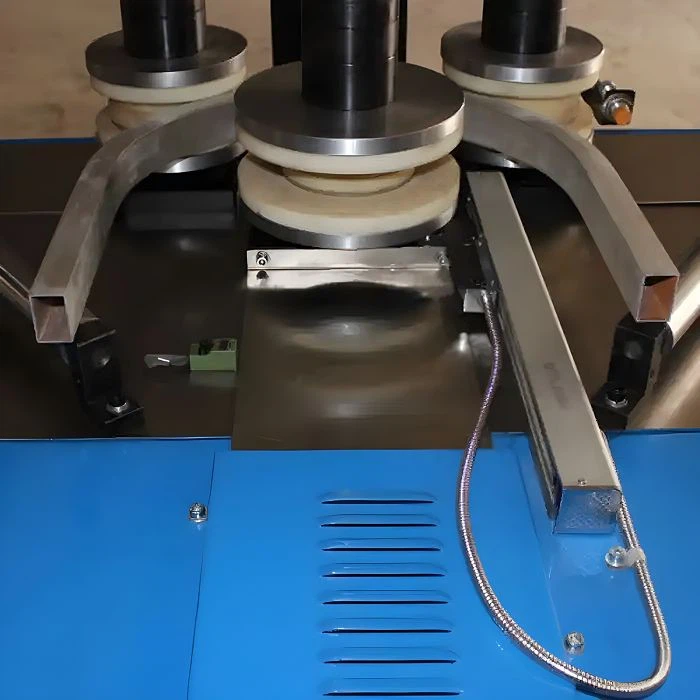
The working principle of a CNC tube coiling machine involves feeding the tube through a set of rollers or dies, which gradually bend the tube into the desired coil shape. The machine's computer numerical control system precisely controls the speed, pressure, and angle of the bending process, ensuring consistent results. When working with aluminum tubes, the machine can be programmed to accommodate the specific properties of the material, such as its softness and elasticity.
Advantages of Using Aluminum Tubes with CNC Tube Coiling Machines
There are several advantages to using aluminum tubes in conjunction with CNC tube coiling machines:
- Lightweight: Aluminum is significantly lighter than other metals, such as steel. This makes it easier to handle and transport, reducing the overall weight of the finished product. In applications where weight is a critical factor, such as aerospace and automotive industries, aluminum coils offer a distinct advantage.
- Corrosion Resistance: Aluminum has a natural oxide layer that provides excellent corrosion resistance. This makes aluminum coils suitable for outdoor and harsh environments, where they can withstand exposure to moisture, chemicals, and other corrosive agents.
- Formability: Aluminum is a highly malleable material, which means it can be easily formed into various shapes and sizes. CNC tube coiling machines can take full advantage of this property, allowing for the production of complex and customized coil designs.
- Cost-Effective: Compared to other metals, aluminum is relatively inexpensive. This makes it a cost-effective choice for large-scale production runs, without compromising on quality or performance.
Considerations for Working with Aluminum Tubes
While CNC tube coiling machines can work effectively with aluminum tubes, there are a few considerations to keep in mind:
- Material Thickness: Aluminum tubes come in a variety of thicknesses, and the machine's capabilities may be limited by the maximum thickness it can handle. It's important to choose a machine that is suitable for the specific thickness of the aluminum tubes you plan to use.
- Surface Finish: Aluminum has a relatively soft surface, which can be easily scratched or damaged during the coiling process. To prevent surface defects, it's important to use appropriate lubricants and tooling, and to handle the tubes with care.
- Springback: Aluminum has a tendency to spring back slightly after being bent. This means that the final shape of the coil may be slightly different from the programmed shape. To compensate for springback, the machine's programming may need to be adjusted accordingly.
- Heat Generation: The coiling process generates heat, which can cause the aluminum tubes to expand and contract. This can affect the accuracy of the coil shape and may require additional cooling measures to be implemented.
Applications of Aluminum Coils Produced by CNC Tube Coiling Machines
Aluminum coils produced by CNC tube coiling machines have a wide range of applications in various industries, including:
- Aerospace: Aluminum coils are used in the manufacturing of aircraft components, such as wings, fuselages, and landing gear. The lightweight and corrosion-resistant properties of aluminum make it an ideal choice for these applications.
- Automotive: Aluminum coils are used in the automotive industry for a variety of purposes, including exhaust systems, radiator tubing, and air conditioning coils. The formability and cost-effectiveness of aluminum make it a popular choice for automotive manufacturers.
- Construction: Aluminum coils are used in the construction industry for applications such as roofing, siding, and structural components. The corrosion resistance and durability of aluminum make it a suitable choice for outdoor construction projects.
- Electrical: Aluminum coils are used in the electrical industry for applications such as transformers, motors, and generators. The high conductivity and lightweight properties of aluminum make it an ideal choice for these applications.
Conclusion
In conclusion, a CNC tube coiling machine can work effectively with aluminum tubes, offering a range of advantages in terms of precision, flexibility, and cost-effectiveness. However, it's important to consider the specific properties of aluminum and to choose a machine that is suitable for the application. By understanding the technical aspects and considerations involved, you can ensure that your CNC tube coiling machine produces high-quality aluminum coils that meet your requirements.
If you're interested in learning more about our CNC tube coiling machines and their compatibility with aluminum tubes, or if you have any other questions or inquiries, please don't hesitate to [contact us]. We'd be happy to discuss your specific needs and provide you with a customized solution.
References
- "CNC Tube Bending Machines: A Comprehensive Guide" - Industry Insights Magazine
- "Aluminum: Properties and Applications" - Metal Handbook